Choosing the Right System for Outer Banks Homes
Selecting a new heating and cooling system is a major decision, and it can be difficult to know which equipment will perform best in your specific part of the Outer Banks. We look at factors such as the age and insulation level of your home, the number of stories, and how much sun and wind exposure your property receives throughout the year. Raised beach houses, older cottages, and newer construction in towns like Nags Head and Kill Devil Hills often require different approaches to ductwork, airflow, and outdoor unit placement. By walking you through these details in everyday language, we make sure you understand why a particular system is recommended and how it will support your comfort over the long term.
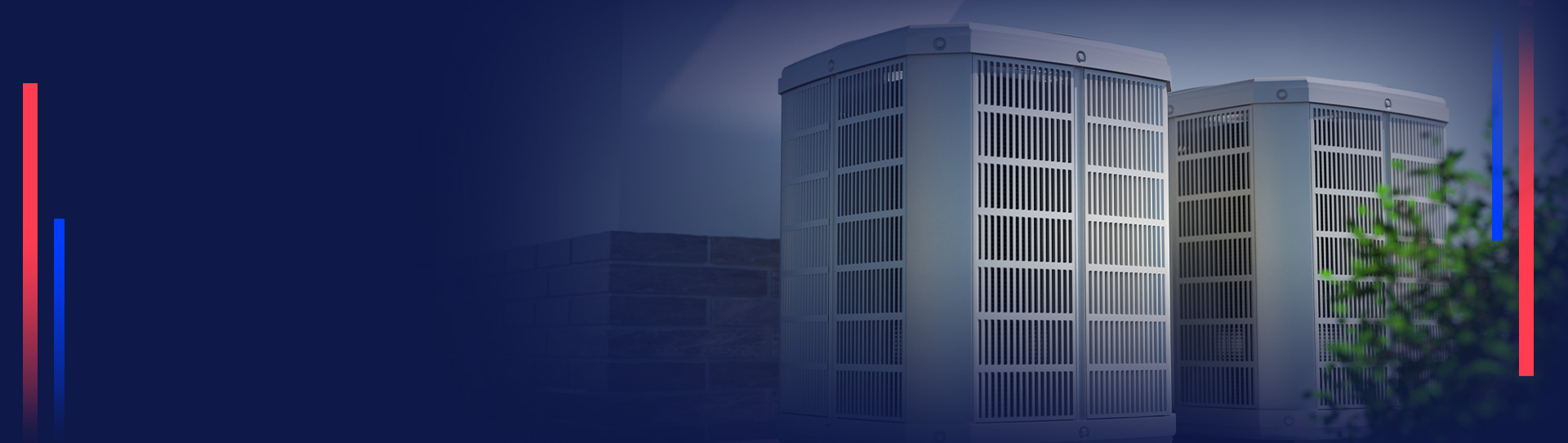
In addition to comfort and efficiency, we take local building codes and manufacturer requirements into account to help your installation pass inspection and qualify for applicable warranties. Outdoor units must be placed on stable, appropriately sized pads and situated where they are protected as much as practical from wind-driven sand and standing water. We also pay close attention to proper refrigerant line routing, electrical connections, and drainage so that the system can handle the heavy humidity and temperature swings common along the coast. By addressing these details at the planning stage, we reduce the chance of future issues and help your new equipment operate as intended.
When you choose Delta T for HVAC work in the Outer Banks, you can expect benefits like:
- Clear guidance on whether repair or replacement makes more sense based on system age, condition, and energy use.
- Thoughtful equipment selection that considers your home’s layout, insulation, occupancy patterns, and exposure to sun, wind, and coastal moisture.
- Local code awareness to help your project move smoothly through inspections in Dare and Currituck counties and align with manufacturer guidelines.
- Attention to coastal conditions when locating and mounting outdoor units to limit the impact of salt air, sand, and standing water.
- Long-term service planning that includes access for maintenance, filter changes, and future upgrades without major disruption to finished spaces.
When you are comparing options for a new system, choosing an experienced hvac installation company Outer Banks property owners trust can make a measurable difference in long-term comfort, energy use, and reliability. Homes and rental properties from Corolla to Hatteras face constant exposure to salt air, wind-driven rain, and high humidity, so we take local building styles and coastal conditions into account when sizing and positioning new equipment. By focusing on proper load calculations, airflow design, and access for future maintenance, we help you avoid problems like uneven temperatures, excessive wear, and moisture issues inside walls or crawlspaces.
Frequently Asked Questions
How Does The Salt Air Affect The Lifespan Of A New HVAC System In The Outer Banks?
Salt air acts as a powerful corrosive agent that accelerates the deterioration of metal components like aluminum fins and copper tubing. This chemical reaction leads to a process called pitting which can cause refrigerant leaks and significantly reduce heat transfer efficiency. While a standard system might last fifteen years inland, an unprotected unit in a coastal environment often sees its lifespan cut down to seven or ten years. Investing in coastal-grade units with specialized protective coatings is essential to combat these harsh maritime conditions.
How Often Should I Have My Outdoor Unit Rinsed Or Serviced To Combat Salt Buildup?
Homeowners should ideally rinse their outdoor condenser unit with a gentle stream of fresh water every two to four weeks to remove salt crust. It is crucial to avoid using high-pressure settings because forceful water can bend the delicate fins and trap debris deeper inside the coil. Professional maintenance should be scheduled at least twice a year to ensure that internal components are cleaned and moving parts are lubricated. Regular upkeep prevents the salt from eating through the metal and maintains the airflow necessary for the system to operate safely. We also offer comprehensive maintenance plans to ensure that your HVAC is in top shape year-round.
How Long Does A Typical HVAC Replacement Take From Start To Finish?
A standard change-out of an existing indoor and outdoor unit typically takes a professional crew between four and eight hours to complete. If your project requires extensive ductwork repairs or a transition to a different fuel source, the timeline may extend into a second day. Most contractors begin early in the morning to ensure that your home has functioning climate control by the time evening arrives. Planning for a full day of onsite work allows the technicians to properly vacuum the lines and test the system for maximum performance.
How Do I Know If My Current Unit Needs A Repair Or A Full Replacement?
You should consider a full replacement if your system is over ten years old and requires a repair that costs more than half of its total value. Frequent breakdowns and a noticeable spike in monthly energy bills often indicate that the internal components are reaching the end of their functional life. If your home struggles to maintain a consistent temperature or the unit makes loud grinding noises, these are signs of significant mechanical failure. Consulting with a technician can help you determine if a simple part swap is a viable long-term solution or just a temporary fix. We also offer flexible financing solutions to ensure that you get the perfect HVAC system for your home without worry.
Don’t let an old unit drive up your energy bills when a modern replacement is just a call away. Contact us at (252) 418-2914 or fill out our online form for expert service you can trust.